
Jeonju travel guide: strolling through Hanok Village and its lanes
Explore the relationship between Jeonju Hanok Village, Gyeonggijeon, Jeondong Cathedral and the Confucian school, then plan Deokjin and Palbok separately with walking and family considerations.
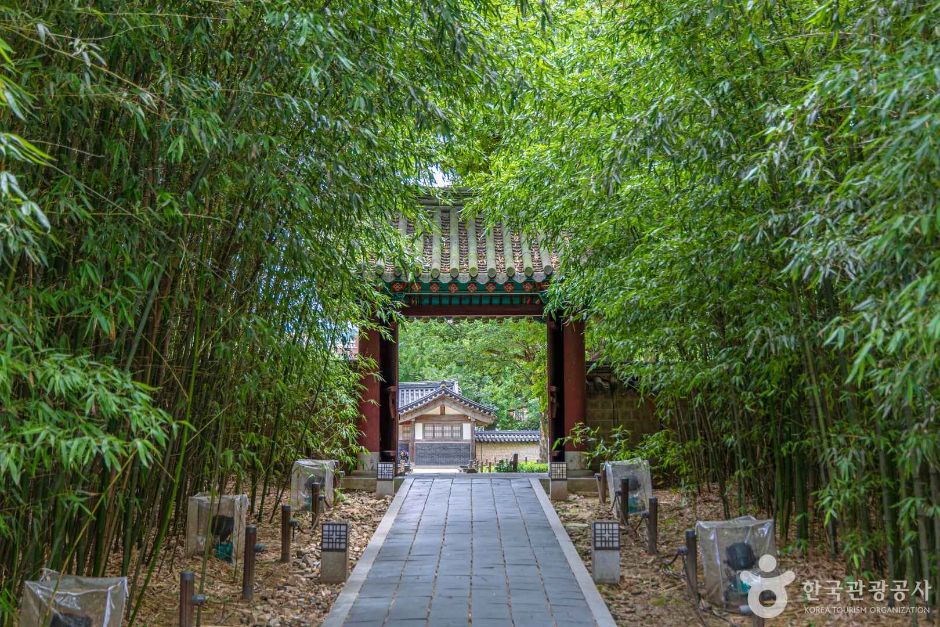
History timeline
- 757Silla renames Wansanju as Jeonju
- 900Gyeon Hwon founds Later Baekje in JeonjuAs given in the city history page
- 1410A shrine for King Taejo’s portrait is built; renamed Gyeonggijeon in 1442
- 1592During the Imjin War, the Annals in the Jeonju archive and Taejo’s portrait are saved
- 1768The burnt south gate is rebuilt and named Pungnammun
- 1894Donghak peasant forces occupy Jeonju
- 1914Jeondong Cathedral is completed (begun in 1907)
- 1949Jeonju-bu becomes Jeonju City
- 1977Gyo-dong and Pungnam-dong are designated a hanok preservation district
The city’s administrative chronology gives 892 as the year Gyeon Hwon made Jeonju his capital, so sources differ on when Later Baekje began.
The city describes Jeonju as the ancestral home of Yi Seong-gye, founder of Joseon, and the root of the royal family.
Sources, checked 2026-10-26: Jeonju City — administrative chronology · Jeonju City — history of Jeonju · Jeonju Hanok Village — historic sites · Jeonju Hanok Village — overview
What sets Jeonju apart
Root of the Joseon royal family
Jeonju is the ancestral home of King Taejo, Yi Seong-gye. After its founding, Joseon enshrined Taejo’s portrait in Jeonju at Gyeonggijeon, marking the city as the royal family’s root.
A city that saved the Annals
Joseon kept its Annals in four archives; during the Imjin War only the Jeonju copy survived, saved by O Hui-gil, Son Hong-rok, An Ui and others. Jeonju also led publishing alongside Hanyang with its Wanpanbon editions, and is called the home of hanji paper.
Jeonju Hanok Village
It covers 298,260 m² of Pungnam-dong and Gyo-dong in Wansan-gu, with 947 buildings, 735 of them hanok. It began to take shape in 1910 and was designated a hanok preservation district in 1977.
Home of pansori and food
The city describes Jeonju as the home of the late-Joseon Daesaseup pansori contest and of a developed food culture. It presents Jeonju as a UNESCO Creative City of Gastronomy.
Sources, checked 2026-10-26: Jeonju City — history of Jeonju · Jeonju Hanok Village — overview · Jeonju City press release — 2026 Bibimbap Festival
Key places as miniature models
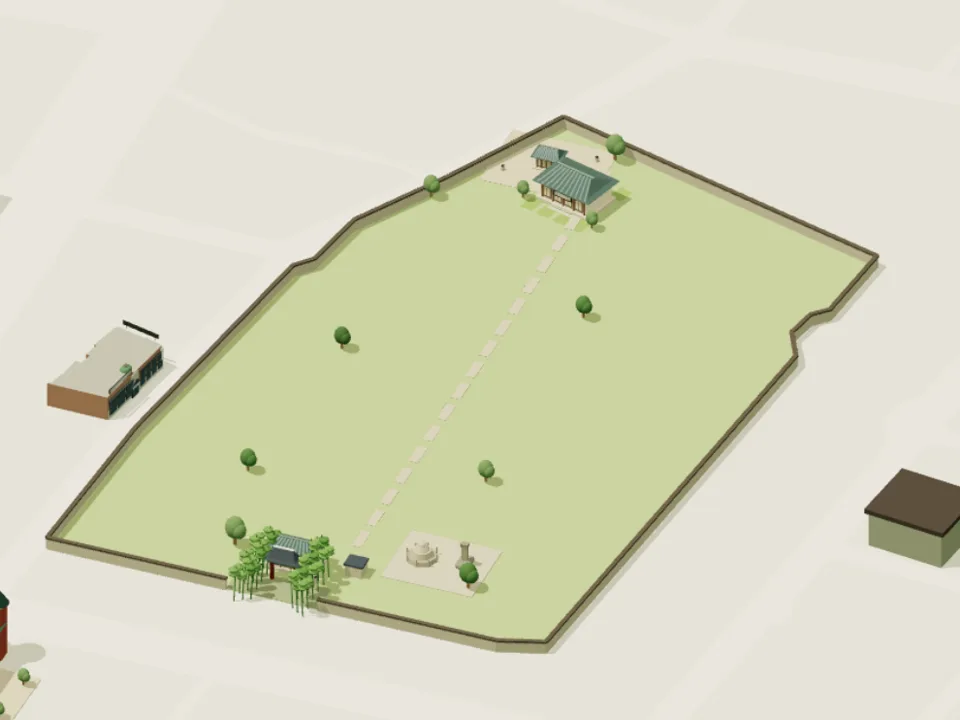
Gyeonggijeon ShrineOpen the map 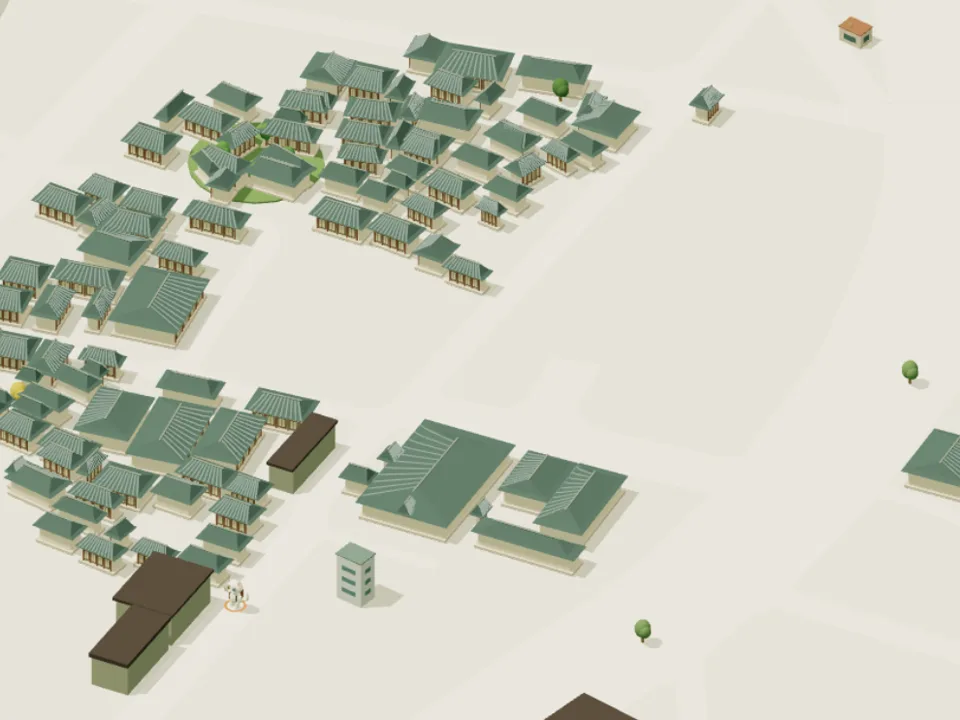
Jeonju Hanok VillageOpen the map 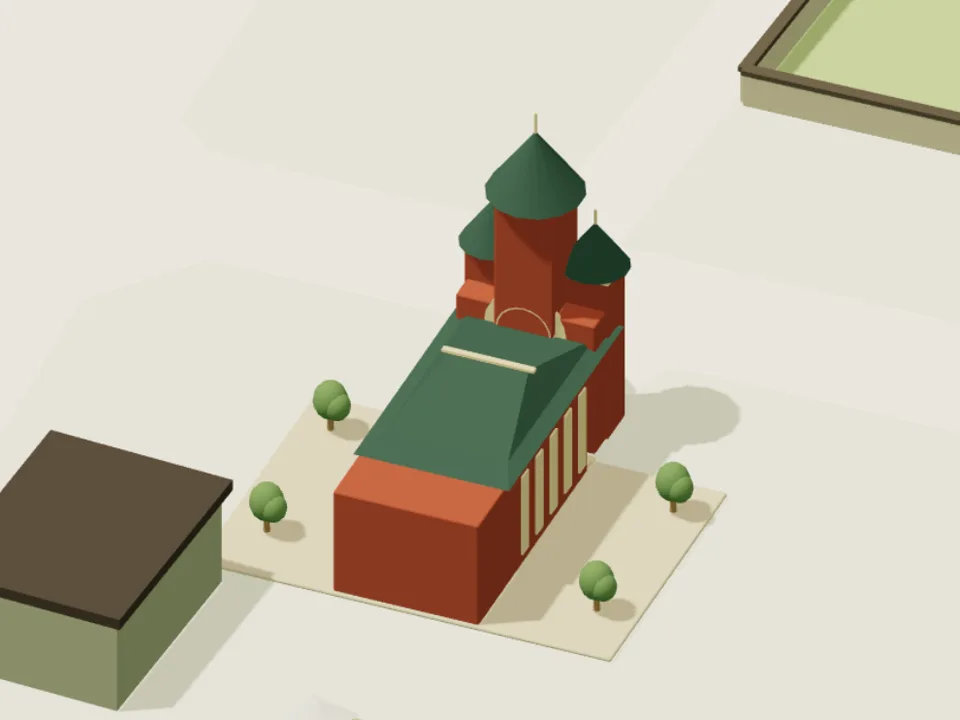
Jeondong Catholic CathedralOpen the map 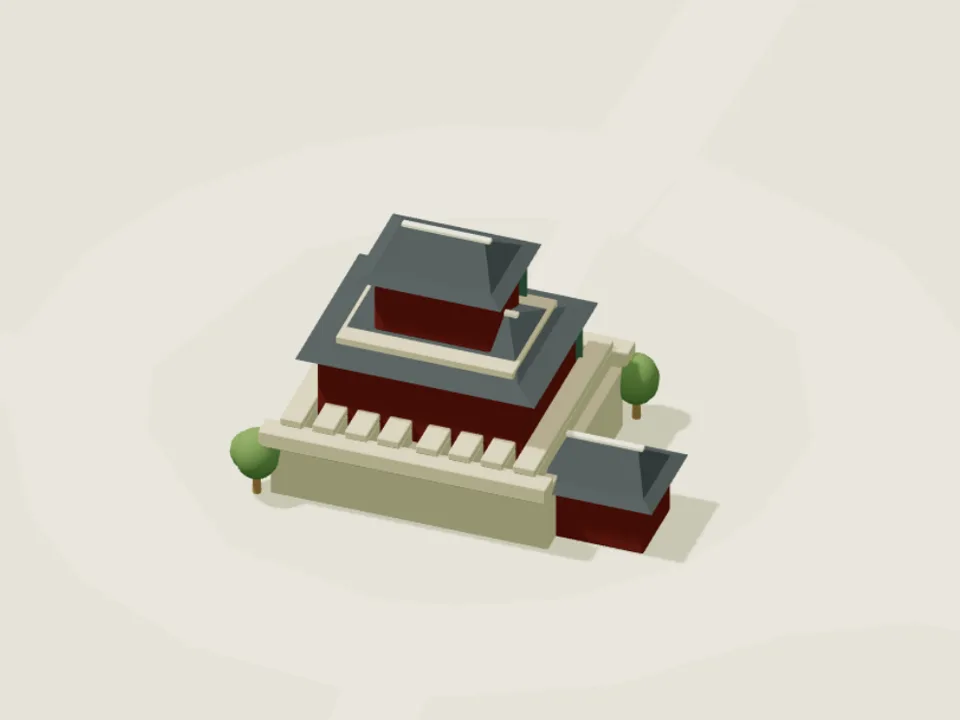
Pungnammun GateOpen the map 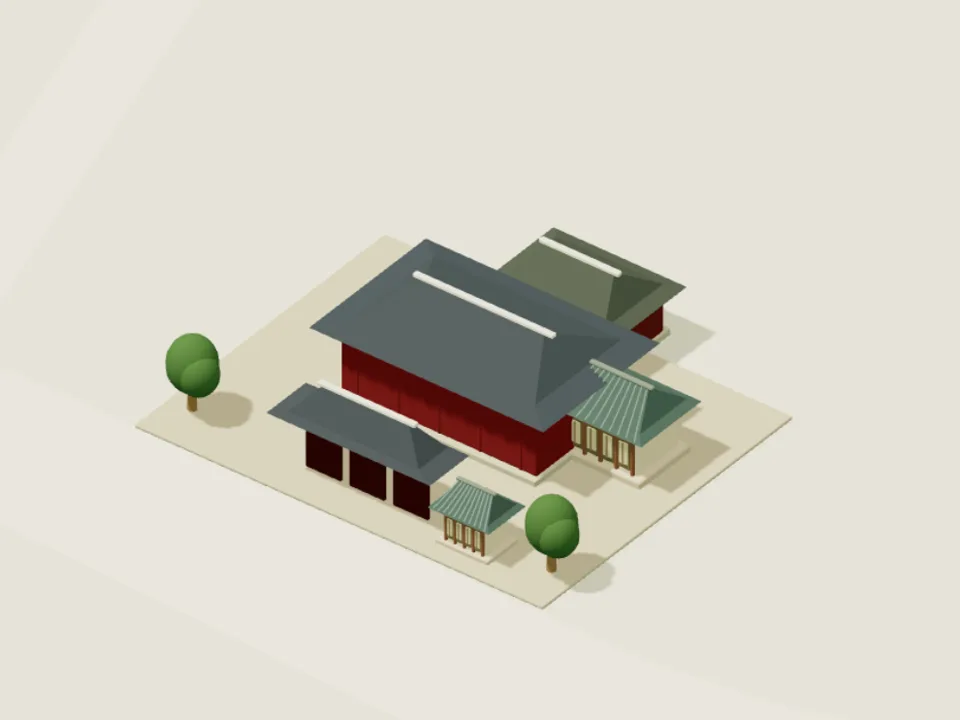
Jeolla GamyeongOpen the map 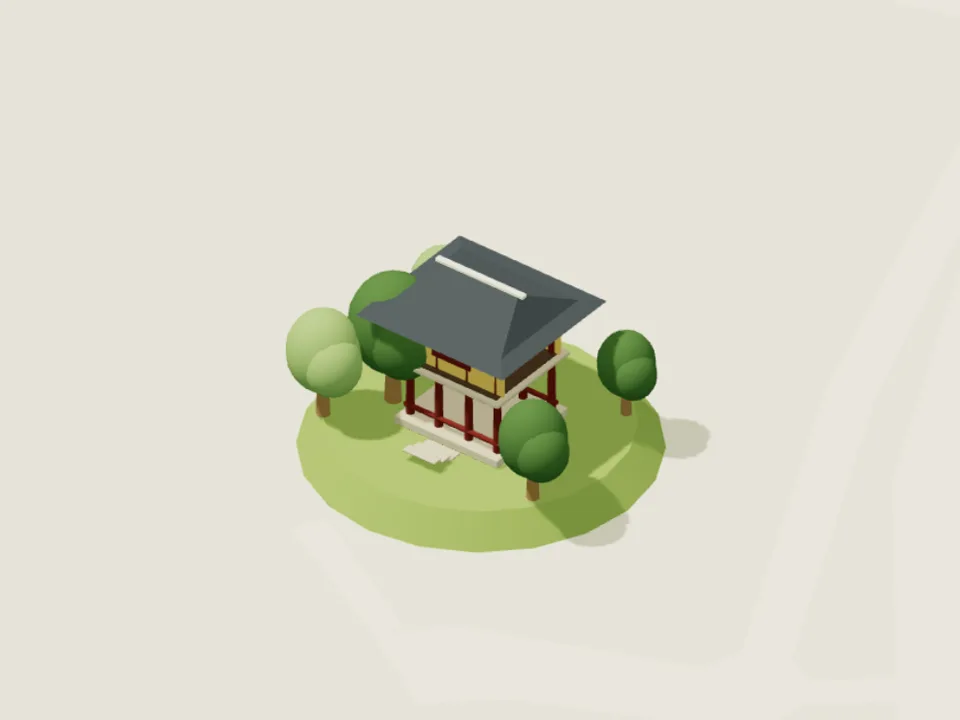
OmokdaeOpen the map 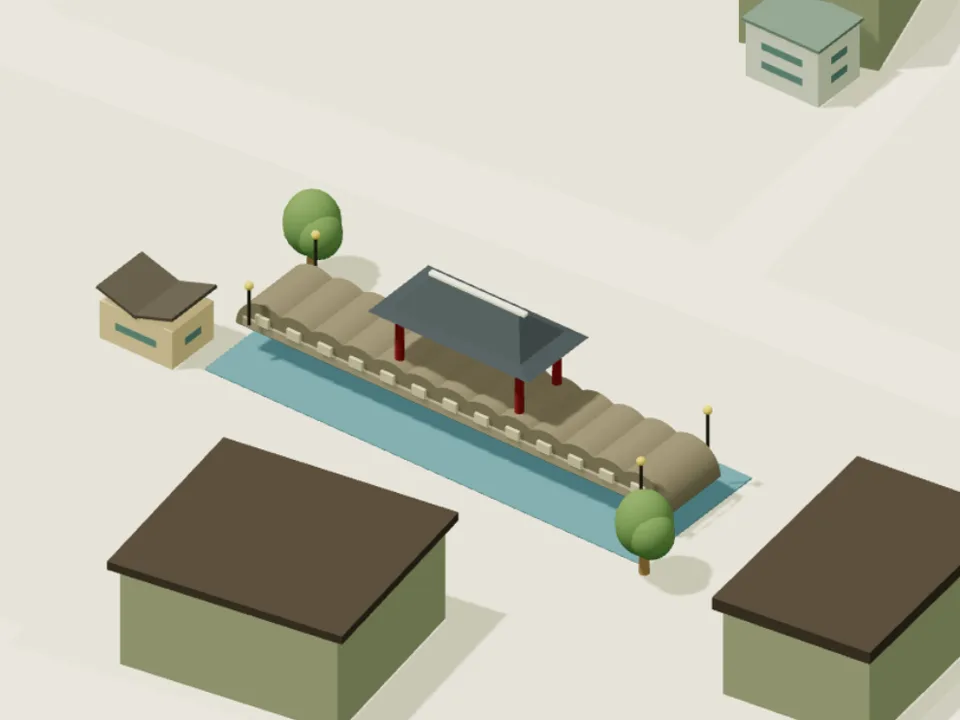
Namcheongyo Bridge and Cheongyeonru PavilionOpen the map 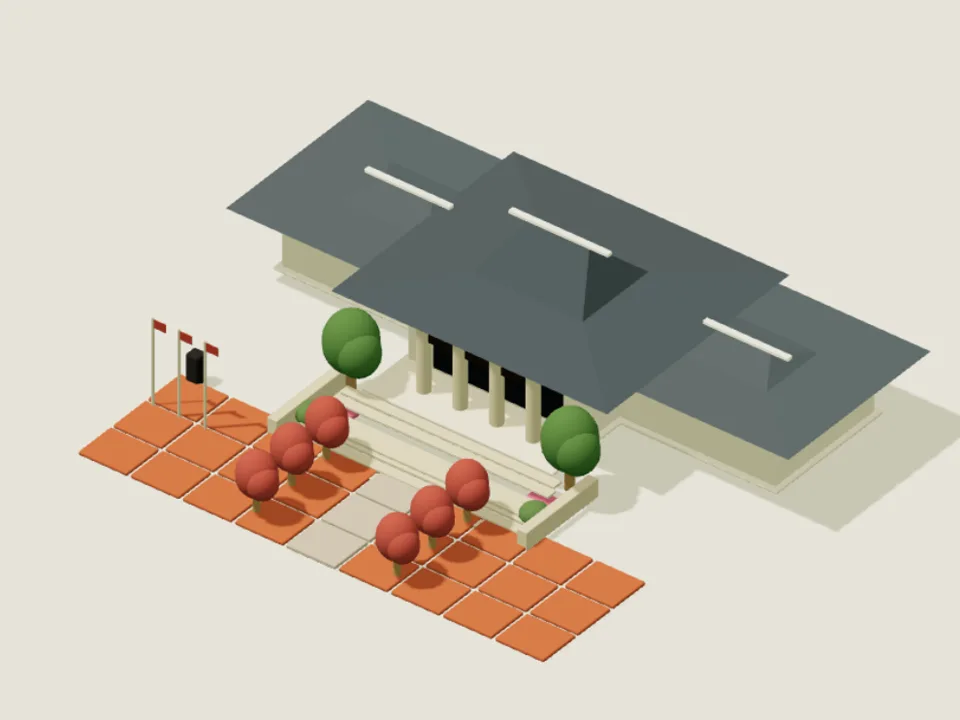
Jeonju National MuseumOpen the map
Captures of the little trip miniature map. Models and scale are illustrative, not aerial photographs. Mountain terrain: National Geographic Information Institute · Map © OpenStreetMap contributors. Open the whole Jeonju map
Events by month
Dates change every year. Shown for 2026, checked 2026-10-26.
| Event | When | Where | Notes |
|---|---|---|---|
| Jeonju International Film Festival | 29 April–8 May 2026 | Around Jeonju, including the Film Street in Gosa-dong | The 2026 edition is the 27th. |
| Jeonju Daesaseup Nori National Contest | 9 May–8 June 2026 | Jeonju Daesaseupcheong, National Intangible Heritage Center and other venues | The 2026 contest is the 52nd. |
| Jeonju Bibimbap Festival | 2–4 October 2026 | Deokjin Park | From 2026 the festival moved to Deokjin Park. |
| Jeonju Hanji Culture Festival | 8–10 October 2026 | Around the Korea Traditional Culture Center | The 30th festival in 2026 was held as the Jeonju International Hanji Industry Fair. |
Sources, checked 2026-10-26: Jeonju City press release — 27th Jeonju International Film Festival · Jeonju City press release — 52nd Daesaseup Nori contest · Jeonju City press release — 2026 Bibimbap Festival · Jeonju City press release — 30th Hanji Culture Festival opens
Getting to Jeonju
Jeonju Station (KTX)
The Jeonju tourism site describes KTX services from Seoul and Yongsan stations to Jeonju Station.
SRT and Iksan Station
From Suseo, direct SRT trains to Jeonju are few; the city suggests riding to Iksan and changing to a conventional train or intercity bus.
Express and intercity buses
Express buses run from Central City and Dong Seoul terminals to Jeonju Express Bus Terminal; intercity buses run from Seoul Nambu Terminal to Jeonju Intercity Bus Terminal.
From Incheon Airport
Airport buses run from Incheon International Airport to Jeonju without going through Seoul. The city lists the boarding zones at Terminals 1 and 2.
Timetables, fares and journey times change often and are left out.
Sources, checked 2026-10-26: Jeonju tourism — getting to Jeonju
Jeonju: common questions
How do I get to Jeonju by KTX?
Jeonju City describes taking the KTX from Seoul or Yongsan Station to Jeonju Station.
Can I go by SRT from Suseo?
Few SRT trains run directly from Suseo to Jeonju, so the city suggests going to Iksan Station and changing to a regular train or an intercity bus.
How do the buses and the airport bus work?
Express buses run from Seoul Central City and Dong Seoul terminals to Jeonju Express Bus Terminal, and intercity buses from Seoul Nambu Terminal to Jeonju Intercity Bus Terminal. An airport bus runs from Incheon Airport to Jeonju without passing through Seoul, and the city shows the boarding areas at Terminals 1 and 2.
What are Gyeonggijeon’s hours and admission fee?
Per Jeonju City (checked October 31, 2026), hours are 09:00–19:00 in March–May and September–October (last entry 18:00), 09:00–20:00 in June–August (last entry 19:00), and 09:00–18:00 in November–February (last entry 17:00). Individual admission is 3,000 won for adults, 2,000 for youths and soldiers and 1,000 for children, and it is free on the last Wednesday of each month (Culture Day). Jeonju and Wanju residents pay separate rates.
Where are the Jeonju Bibimbap Festival and the Hanji Culture Festival held?
The 2026 Jeonju Bibimbap Festival ran October 2–4 at Jeonju Deokjin Park, its new venue from 2026. The 30th Hanji Culture Festival ran October 8–10 around the Korea Traditional Culture Center as the Jeonju International Hanji Industry Fair.
Sources, checked 2026-10-31: Jeonju tourism — getting to Jeonju · Jeonju City press release — 27th Jeonju International Film Festival · Jeonju City press release — 52nd Daesaseup Nori contest · Jeonju City press release — 2026 Bibimbap Festival · Jeonju City press release — 30th Hanji Culture Festival opens · Jeonju City tourism: Gyeonggijeon and Jeonju Sagobyeon admission
Open the earlier place guide
Jeonju Hanok Village is better approached as a collection of lanes and different places than as a single building. A day focused on rooflines will differ from one centred on history, crafts or exhibitions, even within the same neighbourhood. The following choices are little trip suggestions informed by official visitor information.
Understand the shrine, cathedral and Confucian school
Gyeonggijeon and Jeondong Cathedral are candidates on the western side of Hanok Village; Jeonju Hyanggyo is toward its southeast. They serve different purposes: a shrine housing the portrait of King Taejo, a religious space, and a traditional place of education and rites. Look for one idea about each place’s purpose as well as its architecture.
Selecting Hanok Village does not reserve every paid venue or activity inside it. Choose the facilities you want to enter and check their notices individually. Follow on-site rules for photography and access where residents, worship or events are present. The entire neighbourhood should not be treated as space reserved for tourists.
Separate a lane walk from Deokjin and Palbok
Consider the Hanok Village and old-town outing separately from Deokjin Park to the north and Palbok Art Factory to the northwest. Palbok repurposes a former cassette factory as a cultural and creative space, offering a different setting from the traditional lanes. Check the operator’s current exhibition and education listings.
Compare staying with the surrounding lanes against taking a bus or car to another area. Arrival at Jeonju Station is not arrival at Hanok Village: include the journey to your first stop. For public transport, check access to stops, connections and the return service rather than relying only on map distance.
Ideas for a first visit and a return visit
For a first visit, choose Gyeonggijeon or Jeondong Cathedral as an anchor, explore some hanok lanes, and decide whether to add Jeonju Hyanggyo. Fix any booked activity first and leave the surrounding walk flexible. Choose a restaurant yourself by menu and location rather than assuming street snacks automatically take the place of a meal.
For a return visit, try one familiar stretch of lanes together with a place in another area, such as Palbok Art Factory or Deokjin Park. Check accommodation and real journey results before adding several farther stops. This combination is a planning idea, not a promise that every visit fits within a set number of hours.
Build a family outing around one activity
For a child interested in crafts, consider one bookable activity and add a walk looking for differences between tiled roofs, the brick cathedral and a Confucian courtyard. Browse the official village activity information, then confirm age limits, booking and additional costs. Activities should not be assumed to run daily or accept immediate entry.
Narrow lanes, facilities with steps and uphill viewpoints are different from a flat walk. Identify stroller routes, toilets and places to rest first. If you choose a hanbok activity, consider freedom of movement and the weather. Keep some extra stops optional so the day can change if the accompanying child becomes tired.
Check parking, bookings and access before visiting
If driving, check the parking place and walking entrance instead of assuming you can drive into the village lanes. A walk onward to the Confucian school or old town needs a return leg to the car. Choose accommodation yourself after confirming parking, luggage access and check-in conditions.
The miniature helps you read the relationships between roofs and lanes; it is different from real scale and on-site navigation. For guided tours, check the official language, meeting point and current service. Recheck venue hours and last admission for your visit date. Festival details come from the information returned for your dates; missing fields are not filled with guesses.
Places to compare on the map
- Jeonju Hanok Village
The anchor area for a lane walk; choose individual venues and activities separately.
- Gyeonggijeon Shrine
A historic shrine housing King Taejo’s portrait; check the entrance and admission conditions.
- Jeonju Hyanggyo
A candidate toward the village’s southeast for exploring a traditional education setting.
- Palbok Art Factory
Plan a separate journey from Hanok Village and check current exhibitions and activities.
Sources and further reading
- Jeonju Hanok Village — historic sites
- Jeonju Hanok Village — guided walking tours
- Jeonju City — walking map for spatial reference
- Jeonju City magazine, June 2023 — Palbok Art Factory
Sources checked: 2026-10-26