
Jeju travel guide: choosing an area around your stay
Plan Jeju around accommodation and an area of the island, with Seongsan, Bijarim, Cheonjiyeon and Hyeopjae as different choices. Consider flights, ferries, weather and children before adding stops.
History timeline
- Ancient timesThe kingdom of Tamna (Takra)First entry in the provincial chronology
- 1105The name Tamna-guk abolished; Goryeo creates Tamna County
- Under King Gojong of GoryeoTamna County reorganised as Jeju
- 1275The name Tamna restored and a chonggwanbu (administrative office) set up
- 1294Returned to Goryeo and renamed Jeju again
- 1416Jeongui and Daejeong counties created under Jeju-mok
- 1946Becomes a province on 1 August
- 2006Jeju Special Self-Governing Province launched in July
- 2007“Jeju Volcanic Island and Lava Tubes” inscribed as World Natural Heritage
Older names for Jeju include Doi, Dongyeongju, Seopra, Tammora and Takra.
The Samseong myth, Jeju’s creation story, tells that Go Eul-na, Yang Eul-na and Bu Eul-na rose from Moheunghyeol (today’s Samseonghyeol) and married princesses who came from the land of Byeongnang.
Sources, checked 2026-10-26: Jeju Province — provincial chronology · Jeju Province — history overview · Korea Heritage Portal — Jeju Volcanic Island and Lava Tubes
What sets Jeju apart
A volcanic island on the World Heritage List
Inscribed on 27 June 2007 at the 31st World Heritage Committee as a natural World Heritage property. It has three parts: Hallasan, Seongsan Ilchulbong and the Geomunoreum lava tube system, which includes Manjanggul.
Jeju haenyeo culture
Haenyeo dive without breathing equipment to gather turban shells, abalone, seaweed and more. Their culture became Korea’s 19th UNESCO Intangible Cultural Heritage element in November 2016, and “haenyeo” was designated National Intangible Cultural Heritage in May 2017.
Dol hareubang
Stone statues set at village entrances and castle gates as guardians. Forty-seven remain: 23 from Jeju-mok, 12 from Jeongui-hyeon and 12 from Daejeong-hyeon, all moved from their original places.
Sources, checked 2026-10-26: Korea Heritage Portal — Jeju Volcanic Island and Lava Tubes · National Archives of Korea — Jeju haenyeo · Jeju Province — stone statues (dol hareubang) · Jeju Province — stone culture
Key places as miniature models
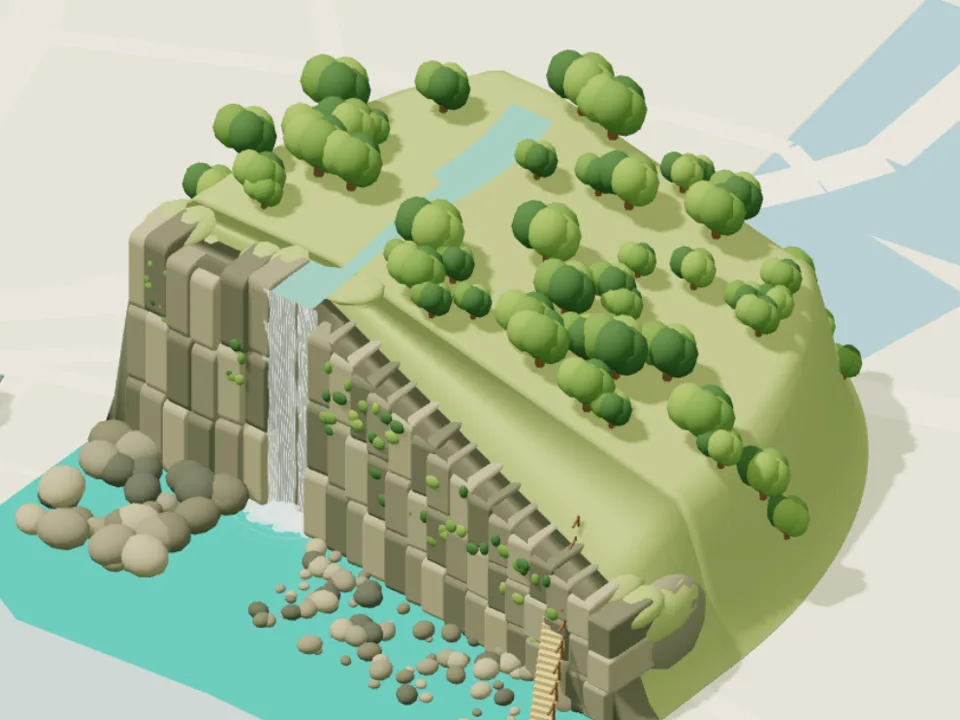
Jeongbang WaterfallOpen the map 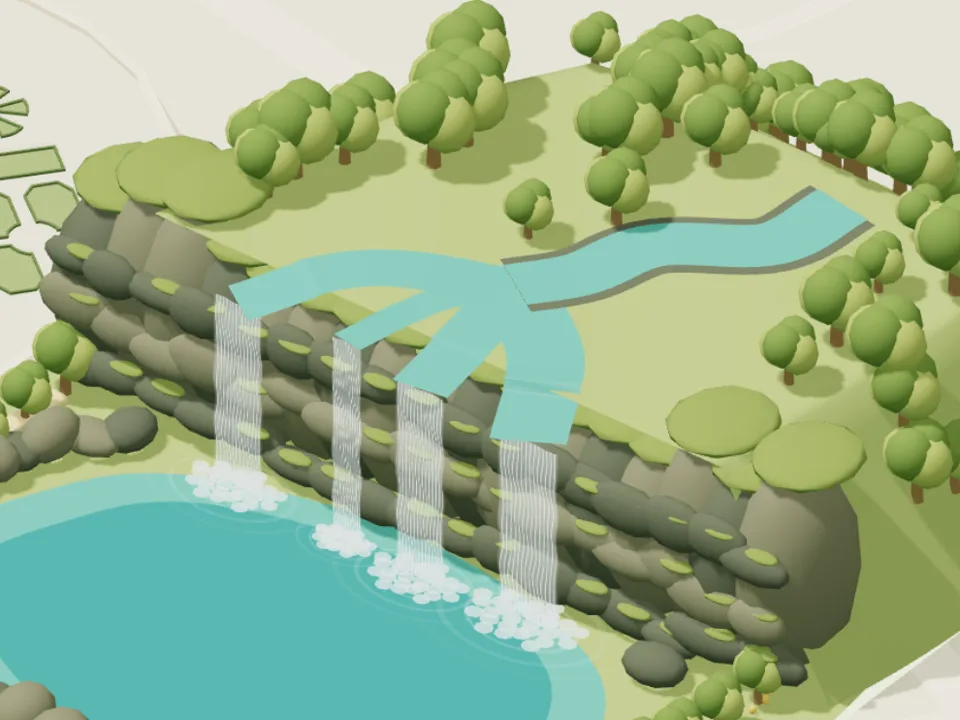
Cheonjeyeon WaterfallOpen the map 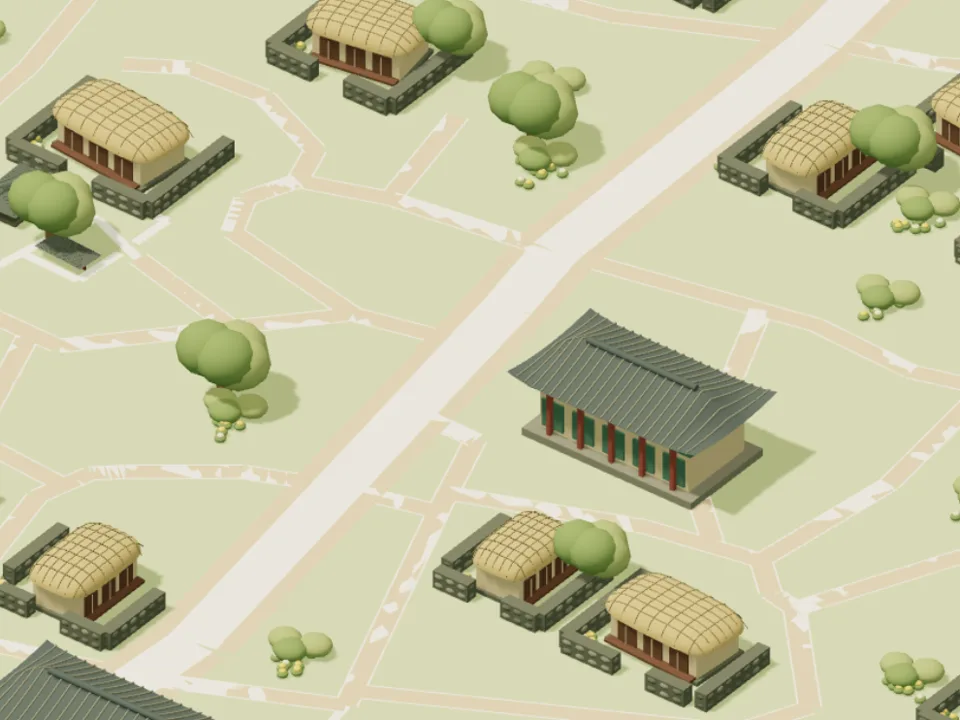
Seongeup Folk VillageOpen the map 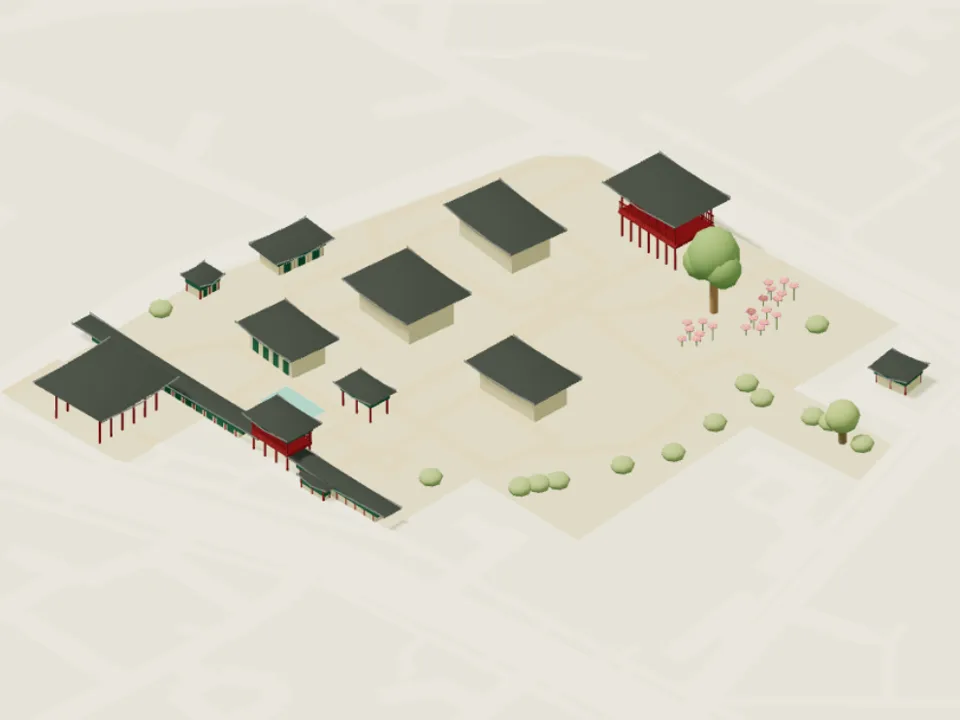
Jeju MokgwanaOpen the map 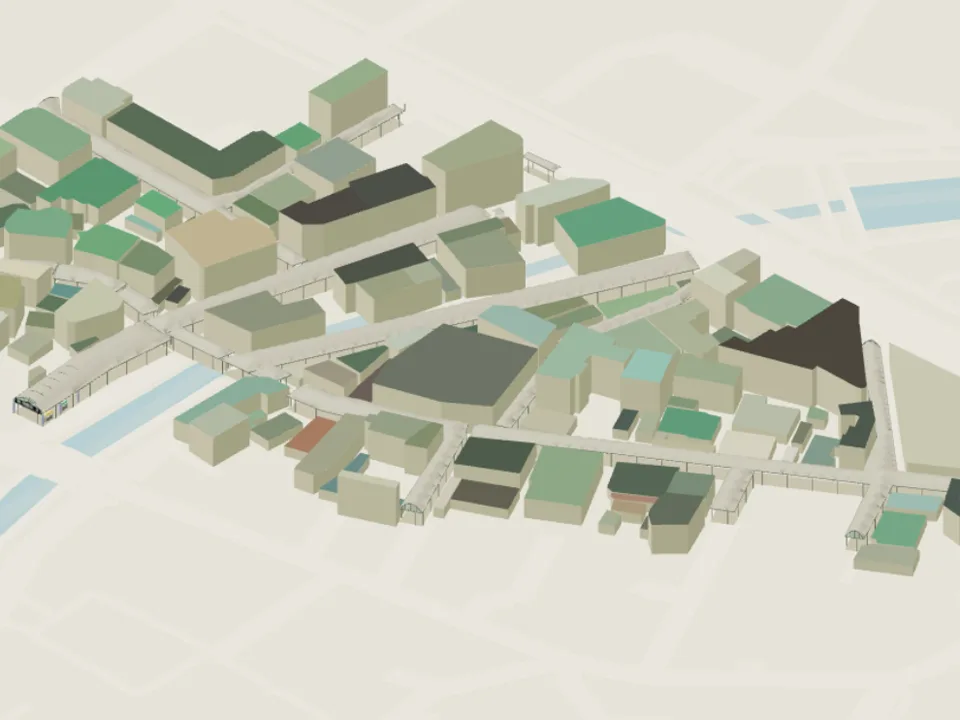
Dongmun Traditional MarketOpen the map 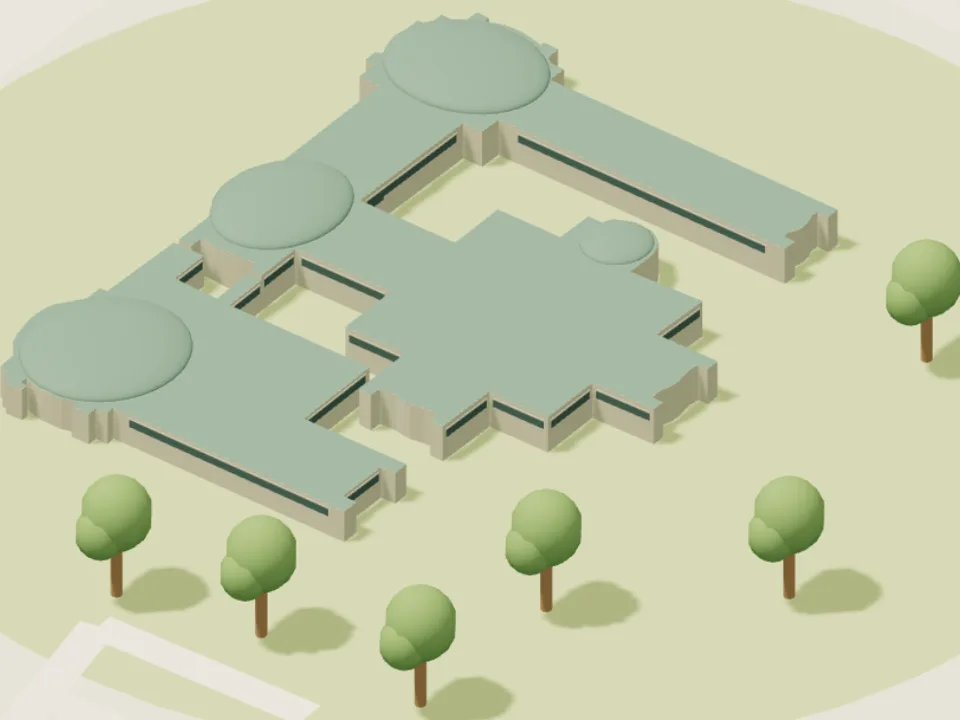
Jeju National MuseumOpen the map 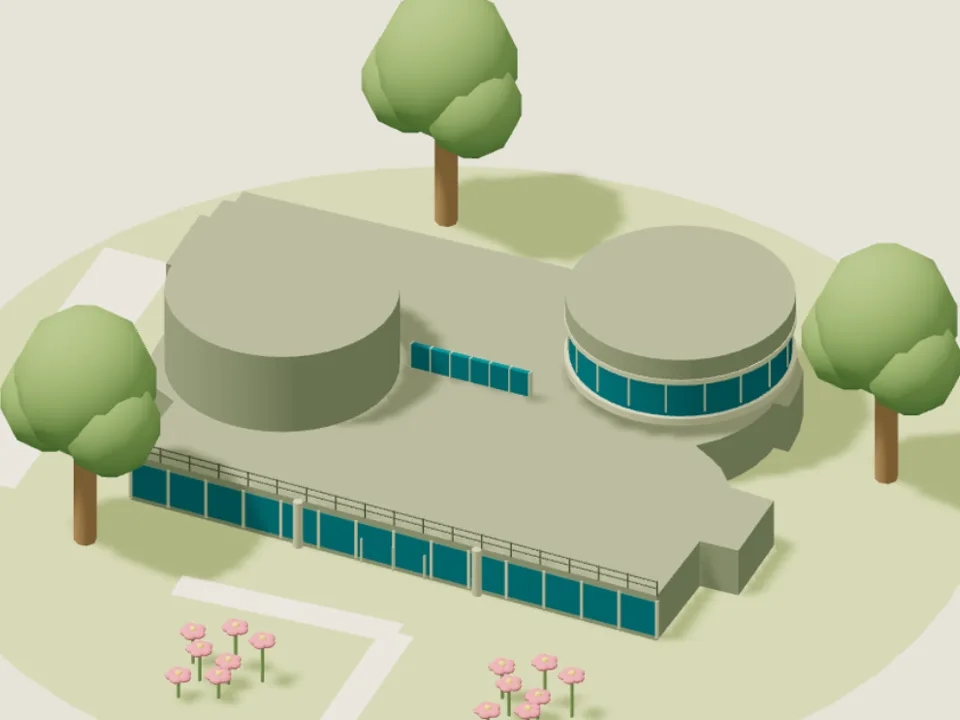
Jeju Haenyeo MuseumOpen the map 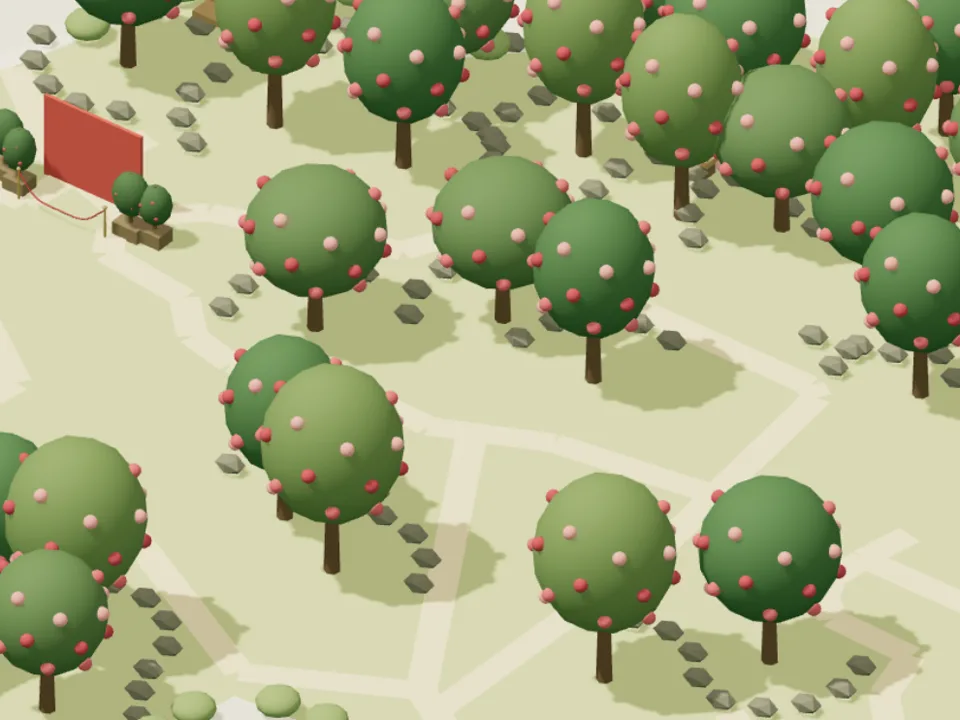
Camellia HillOpen the map
Captures of the little trip miniature map. Models and scale are illustrative, not aerial photographs. Mountain terrain: National Geographic Information Institute · Map © OpenStreetMap contributors. Open the whole Jeju map
Events by month
Dates change every year. Shown for 2026, checked 2026-10-26.
| Event | When | Where | Notes |
|---|---|---|---|
| Jeju Fire Festival | 9–14 March 2026 (main events 13–14 March) | Saebyeol Oreum area | 9–12 March are pre-events such as hanging wish papers and building the bonfire stack. |
| Jeju Haenyeo Festival | 19–20 September 2026 (19th festival) | Haenyeo Museum and coast, Gujwa-eup | Held together with the ninth Haenyeo Day ceremony. |
| Tamna Culture Festival | 17–21 October 2026 (65th festival) | Jeju Citizens’ Welfare Town Plaza and other venues | — |
Sources, checked 2026-10-26: Korea Tourism Organization — Jeju Fire Festival · Haenyeo Museum — 19th Jeju Haenyeo Festival notice · Korea Tourism Organization — Tamna Culture Festival
Getting to Jeju
Jeju International Airport
Its address is 2 Gonghang-ro, Jeju City. City and intercity buses stop outside gates 2–4, the limousine stop is to the right of gate 5, and the taxi rank is across the crossing from gate 3.
Ferries from the mainland
Passenger ferries link Jeju with Wando, Mokpo, Goheung (Nokdong) and Sacheon (Samcheonpo). Check with the operator that sailings are running before you travel.
To the smaller islands
Ferries run to Udo from Seongsan and Seongsan-Jongdal, to Gapado and Marado from Moseulpo, and to Biyangdo from Hallim.
Buses on the island
The Jeju bus information system lists routes, stops, the airport limousine and service cancellations.
Timetables, fares and journey times change often and are left out. Check sailing information before taking a ferry.
Sources, checked 2026-10-26: Korea Airports Corporation — Jeju Airport visitor guide · Jeju bus information — ferry information · Korea Maritime Transportation Safety Authority — Jeju routes · Jeju bus information system
Jeju: common questions
Where do I catch a bus or taxi at Jeju Airport?
At Jeju International Airport (2 Gonghang-ro, Jeju City), city and intercity buses leave in front of Gates 2–4, the limousine stop is to the right of Gate 5, and the taxi stand is across from Gate 3.
Can I reach Jeju by ferry?
There are ferry routes between Jeju and Wando, Mokpo, Goheung (Nokdong) and Sacheon (Samcheonpo). Check sailings with the operator before you leave.
Where do boats leave for Udo, Gapado, Marado and Biyangdo?
Boats to Udo leave from Seongsan and Seongsan-Jongdal, boats to Gapado and Marado from Moseulpo, and boats to Biyangdo from Hallim.
When does Seongsan Ilchulbong open and what is the fee?
Per the Jeju World Heritage Center (checked October 31, 2026), hours are 04:30–20:00 from May to August (last tickets 19:00), 05:00–19:00 in March–April and September–October (last tickets 18:00), and 06:00–18:00 from November to February (last tickets 17:00). It is closed on the first Monday of each month. Individual admission is 5,000 won for adults and 2,500 won for youths, soldiers and children.
When are the Fire Festival, Haenyeo Festival and Tamna Culture Festival?
In 2026 the Jeju Fire Festival ran March 9–14 (main event 13–14) around Saebyeol Oreum, the 19th Haenyeo Festival ran September 19–20 around the Haenyeo Museum and coast in Gujwa, and the 65th Tamna Culture Festival ran October 17–21 at Jeju Citizen Welfare Town Plaza.
Sources, checked 2026-10-31: Korea Airports Corporation — Jeju Airport visitor guide · Jeju bus information — ferry information · Korea Maritime Transportation Safety Authority — Jeju routes · Jeju bus information system · Korea Tourism Organization — Jeju Fire Festival · Haenyeo Museum — 19th Jeju Haenyeo Festival notice · Korea Tourism Organization — Tamna Culture Festival · Jeju World Heritage Center: Seongsan Ilchulbong
Open the earlier place guide
A Jeju plan becomes clearer when you decide what to see from today’s base and how to return, rather than trying to fill a lap of the island. Coast, forest, waterfalls and volcanic hills require different journeys and walking conditions. These area groupings and sample days are little trip suggestions informed by official tourism sources, not guarantees of access or travel time.
Use your accommodation to choose an area
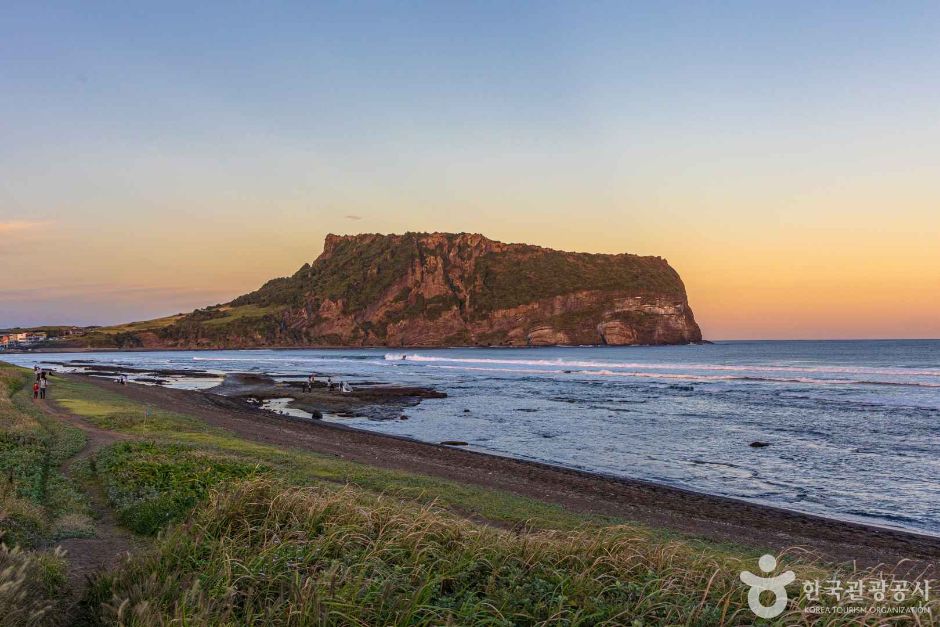
Compare Seongsan Ilchulbong and Bijarim in the east, Hyeopjae Beach in the west, and Cheonjiyeon Falls in southern Seogwipo as different areas. Seeing them together on the map does not make them a short walking day. Choose accommodation yourself, then consider grouping attractions and a restaurant within one area around that base.
On a day when you change accommodation, include luggage handling and check-in conditions. Without a rental car, check actual bus services, access to stops and the final return connection rather than straight-line distance. A wish to see the eastern coast and a western sunset needs to be compared with the whole day’s journeys and the return to your stay.
Choose the kind of walking as well as the scenery
The official Seongsan Ilchulbong guide distinguishes the stepped uphill summit trail from the surrounding viewing area. Decide which you want before selecting the next stop. Compare Bijarim as a forest walk, Cheonjiyeon as a waterfall visit and Hyeopjae as a beach outing, giving each a different purpose.
Looking at the beach and going into the sea are separate decisions. Check the bathing season, lifeguard arrangements and that day’s swimming notices before planning to swim. Hallasan’s reservation and entry restrictions depend on the trail. Its appearance on the map is not a reason to fit a summit hike between ordinary sightseeing stops.
Starting ideas for an eastern day and a Seogwipo day
For a stay in the east, choose either the Seongsan summit trail or the surrounding viewing area and keep Bijarim as an additional candidate. Check the real journey and the amount of walking before fixing the order. Adding Udo needs a fresh plan for port access, boarding, movement on the island and the return to Jeju’s main island.
For a day based in Seogwipo, consider Cheonjiyeon Falls as the anchor and choose your own meal and break in the surrounding urban area. In poor weather, check which indoor venues are open before making an alternative. This is a planning example, not a first-hand visitor review or a complete tour with a fixed timetable.
Consider steps, wind and the return with children
With a child, consider making one activity the focus: a summit climb, a forest walk or a coastal view. Judge the possibility of another long walk after Seongsan’s steps by the actual child’s stamina. Forest shade does not remove rain or wind, so check the forecast and current access notices for your date.
Keep to permitted paths and boundaries at the sea and waterfalls. If you need a stroller, confirm the entrance and usable sections. Give breaks, meals and toilets real space in the plan. For an island ferry day, check both directions and cancellation notices, and consider how you will return to the main island if the child becomes tired.
Check flights, ferries and what the miniature means
Start the island schedule when you can actually begin travelling after arrival in Jeju. Landing, collecting a rental car and reaching accommodation are different steps. On departure day, allow for the car return, travel to the airport or port, and the carrier’s check-in requirements. The ferry operator’s notices govern sailing and cancellation.
The miniature expresses the island and its places; it is different from real scale and road navigation. Hongko’s walk does not prove that an inter-island journey or hike is possible. Choose restaurants and accommodation yourself, and confirm hours, bookings and access for your date through the official links. Use only the details supplied by the retrieved festival information.
Places to compare on the map
- Seongsan Ilchulbong
An eastern candidate; decide between the summit climb and the surrounding viewing area.
- Bijarim Forest
A forest-walk focus; check the actual journey to other eastern stops.
- Cheonjiyeon Falls
A Seogwipo candidate; allow for the viewing path and the return journey.
- Hyeopjae Beach
A western beach candidate; coastal viewing and permission to swim are separate.
Sources and further reading
- Jeju Tourism Organization — official visitor map
- Jeju Tourism Organization — Seongsan Ilchulbong
- Jeju Tourism Organization — Cheonjiyeon Falls
- Hallasan National Park — reservation and access notices
Sources checked: 2026-10-26