
Gimhae travel guide: exploring Gaya heritage and ceramic art
Plan Gimhae around its central Gaya heritage sites and the separate Jillye ceramics area, with ideas for choosing museums, travelling with children and checking real routes.
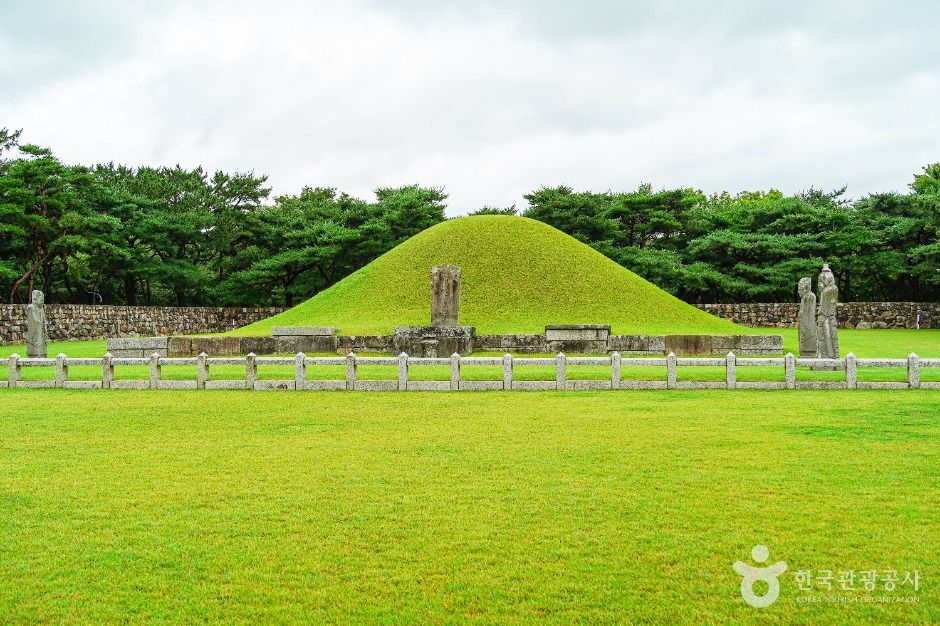
History timeline
- 42King Kim Suro founds GarakgukAs given in the city chronology
- 1st–5th c.Ruling-group burials at the Daeseong-dong Tombs1st–3rd c. on the flat ground, 4th–5th c. on the crest
- 532Annexed by Silla under Guhae, tenth king
- 680Silla establishes Geumgwan Sogyeong
- 756Renamed Gimhae Sogyeong
- 1412Joseon establishes Gimhae Dohobu
- 1895Becomes Gimhae County
- 2023The Gaya Tumuli, including Daeseong-dong, inscribed as World Heritage
The oldest written account of Gaya history in Gimhae is the “Garakguk-gi” chapter of Samguk yusa.
The city explains that the name Geumgwan Gaya dates from the Goryeo period, and that “Geumgwan” (金官, managing the metal) reflects Silla’s intention to control Garakguk’s iron.
Sources, checked 2026-10-26: Gimhae City — Hoehyeon-dong chronology · Gimhae tourism portal — the name of Garakguk · Gimhae City — Daeseong-dong Tombs · Korea Heritage Service — Gaya Tumuli inscription
What sets Gimhae apart
World Heritage tombs
On 17 September 2023 the 45th World Heritage Committee inscribed the Gaya Tumuli, seven tomb groups, as Korea’s sixteenth World Heritage property. The Daeseong-dong Tombs in Gimhae are one of them.
From Gaya pottery to buncheong ware
The city describes its ceramics as continuing Gaya pottery and developing into buncheong ware. More than 60 potters work in Jillye-myeon, designated the Jillye Ceramics Small Business Cluster in 2019.
Jinyeong sweet persimmons
They began with a trial planting of about 100 trees in Jinyeong-ri and Sinyong-ri in 1927. The city calls Jinyeong the country’s first sweet persimmon growing area.
Janggun tea
The city promotes it as a tea that symbolises Gaya history and culture. A story holds that Queen Heo brought its seeds from India.
Sources, checked 2026-10-26: Korea Heritage Portal — Gaya Tumuli · Korea Heritage Service — Gaya Tumuli inscription · Gimhae City — ceramic culture · Gimhae tourism portal — sweet persimmons · Gimhae tourism portal — Janggun tea
Key places as miniature models
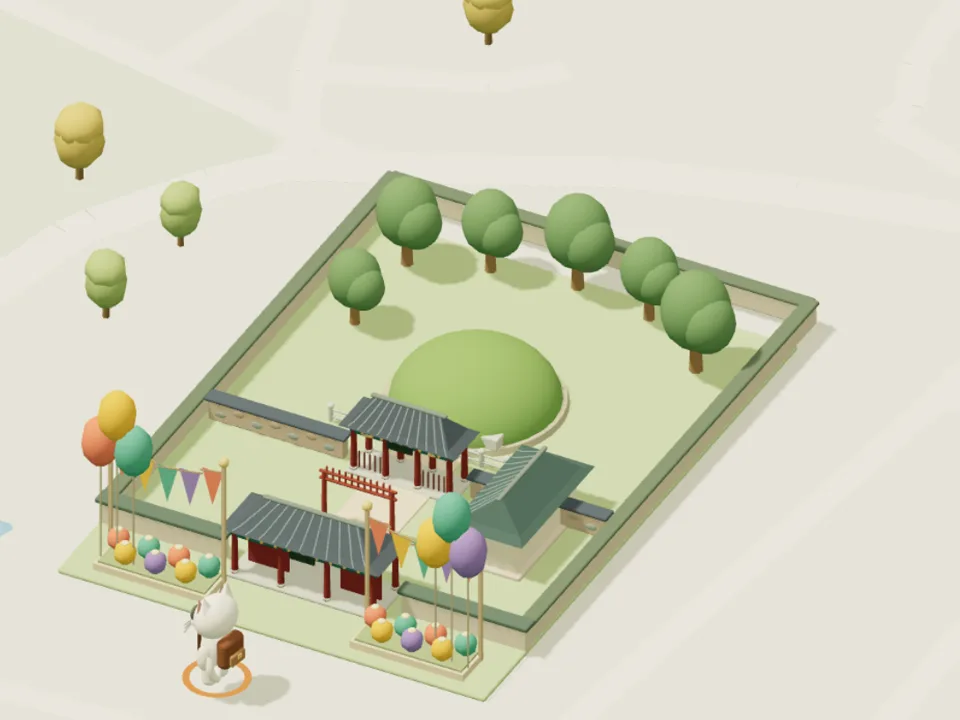
Royal Tomb of King SuroOpen the map 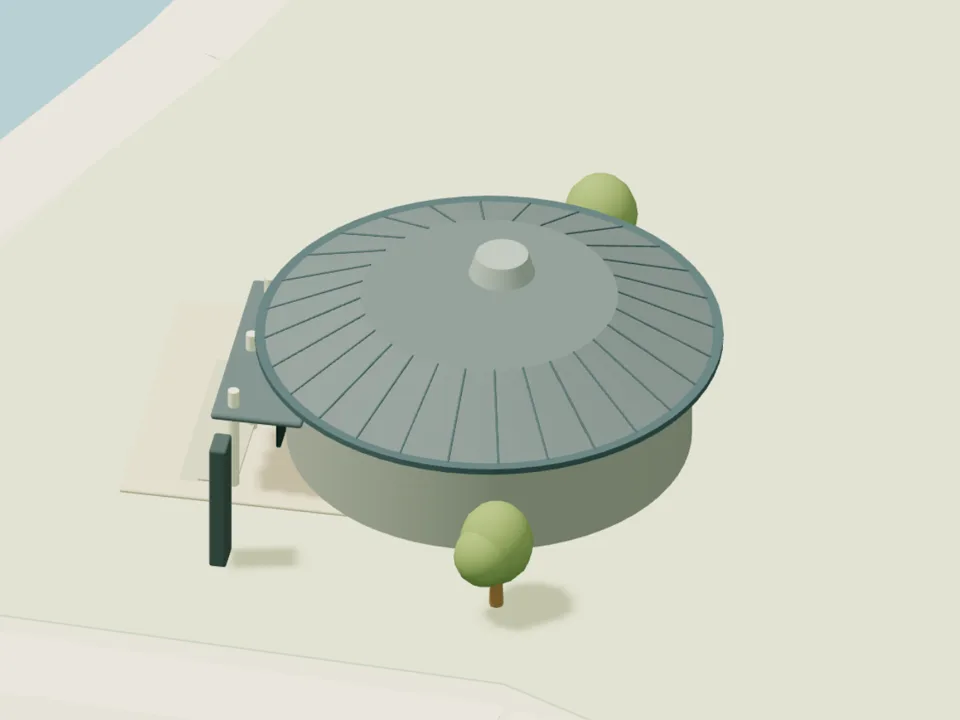
Daeseong-dong Tombs MuseumOpen the map 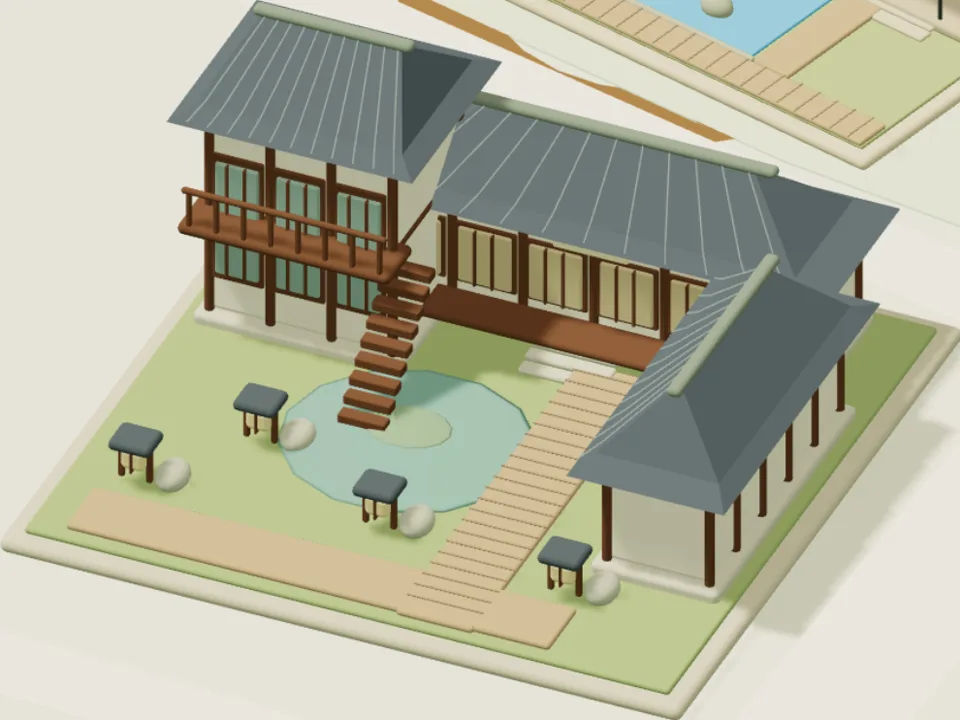
Gimhae Hanok Experience CenterOpen the map 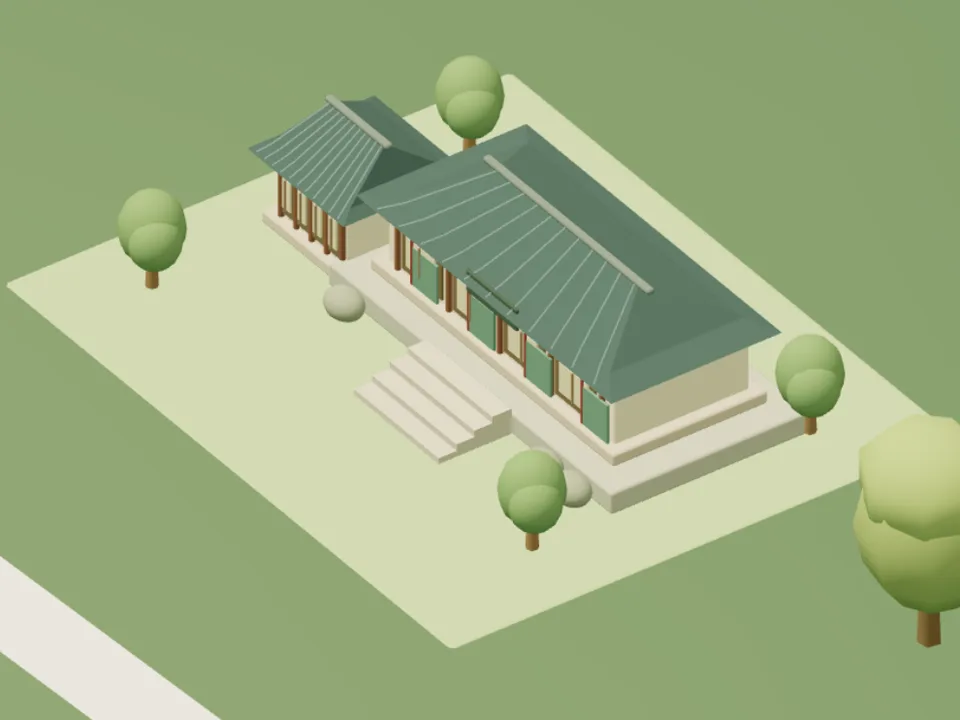
Eunhasa TempleOpen the map 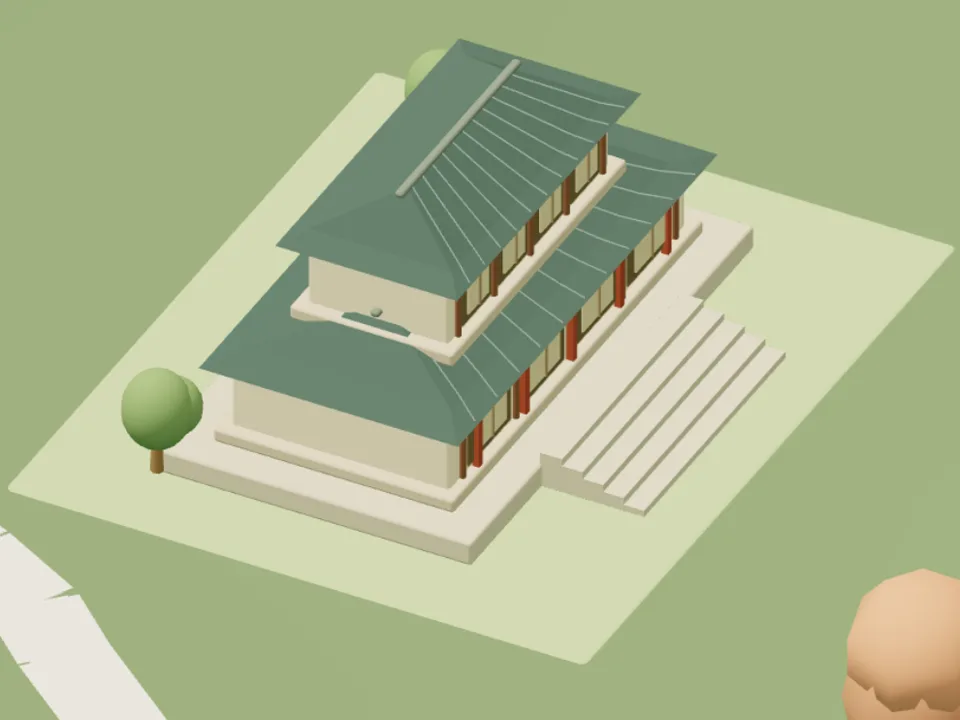
Gimhae Gaya Theme ParkOpen the map 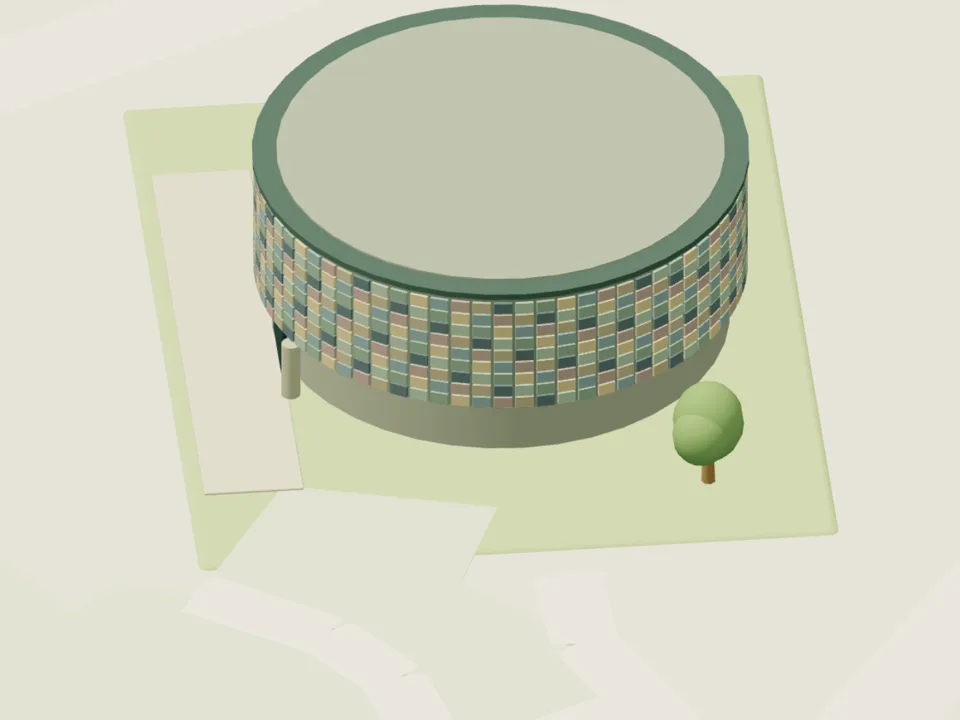
Clayarch Gimhae MuseumOpen the map 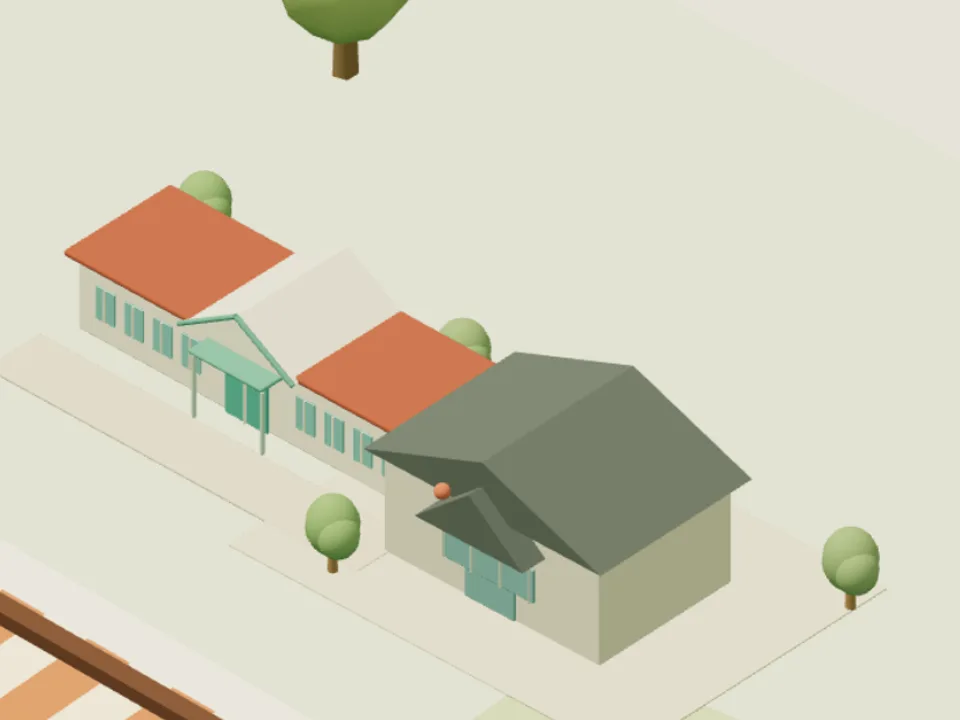
Jinyeong Station Railway MuseumOpen the map 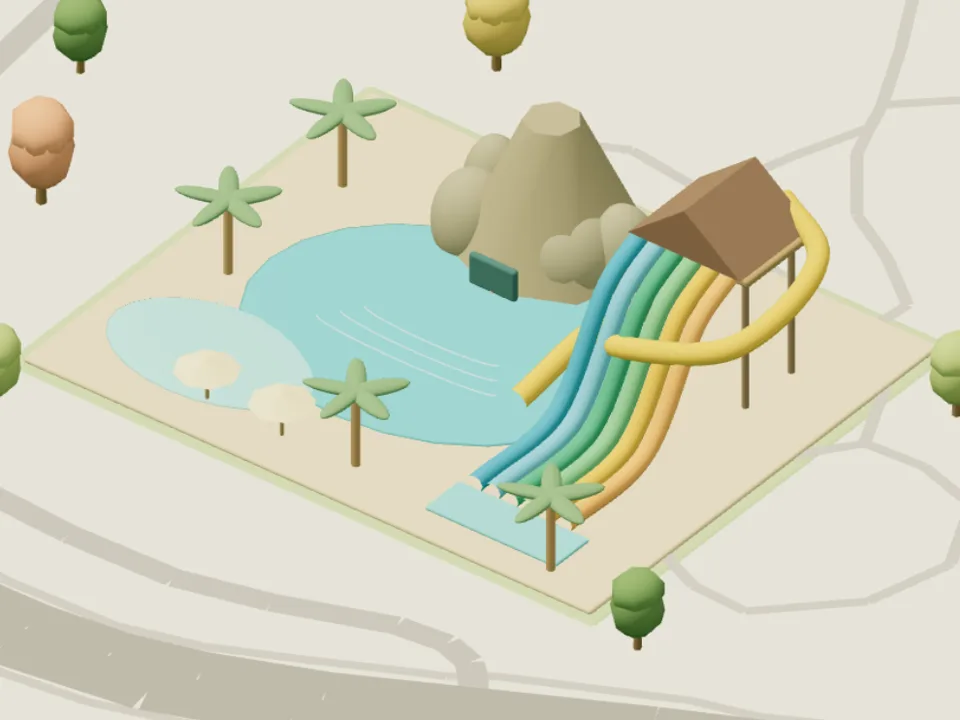
Lotte Water Park GimhaeOpen the map
Captures of the little trip miniature map. Models and scale are illustrative, not aerial photographs. Mountain terrain: National Geographic Information Institute · Map © OpenStreetMap contributors. Open the whole Gimhae map
Events by month
Dates change every year. Shown for 2026, checked 2026-10-26.
| Event | When | Where | Notes |
|---|---|---|---|
| Gaya Culture Festival | Every spring · 30 April–3 May 2026 | Daeseong-dong Tombs, Sureungwon and Haebancheon | It grew out of the Garak Cultural Festival, first held in 1962 on the spring rite day for King Suro (15th day of the third lunar month). |
| Gimhae Heritage Night | 16–18 October 2026 | Royal Tomb of King Suro and Sureungwon | — |
| Gimhae Buncheong Ceramics Festival | 6–10 November 2026 | Lotte Garden Park (Lotte Outlet Gimhae) | The city lists late October in Jillye-myeon as its usual time and place; the 31st festival in 2026 changed both. |
Sources, checked 2026-10-26: Gimhae tourism portal — Gaya Culture Festival · Gimhae City press release — 2026 Gaya Culture Festival · Gimhae tourism portal — Gimhae Heritage Night · Gimhae City — Buncheong Ceramics Festival · Gimhae City notice — 31st Buncheong Ceramics Festival
Getting to Gimhae
- Stations in Busan
- Stations in Gimhae
- SasangBusan Line 2
- AirportGimhae Int’l Airport
- DaejeoBusan Line 3
- Gimhae City Hall
- BonghwangGimhae Bus Terminal
- Royal Tomb of King Suro
- Museum
- Yeonji Park
- Gaya University
Gimhae International Airport
Its address is 108 Gonghang-jinip-ro, Gangseo-gu, Busan: it is in Busan, not Gimhae City. Board the light rail at Airport station.
From Busan
Change to the Busan–Gimhae Light Rail at Sasang (Busan Line 2) or Daejeo (Line 3).
Jinyeong Station (KTX)
The city describes Jinyeong Station, 809 Gimhae-daero, as KTX Jinyeong Station, near Bongha Village and Hwapocheon Wetland Park. Check with Korail which trains stop and how often.
Intercity buses
Bonghwang light rail station also carries the name of Gimhae Bus Terminal. Check routes and times on the Gimhae bus information system.
Timetables, fares and journey times change often and are left out. The diagram shows order only, not real distance or scale.
Sources, checked 2026-10-26: Korea Airports Corporation — getting to Gimhae Airport · Busan–Gimhae Light Rail — route map · Gimhae City, Jinyeong-eup — Jinyeong Station · Gimhae bus information — intercity buses
Gimhae: common questions
Is Gimhae International Airport in Gimhae?
No. Its address is 108 Gonghangjinip-ro, Gangseo-gu, Busan, so it is in Busan, not Gimhae. You can board the light rail at Airport Station, and from central Busan you change to the Busan–Gimhae Light Rail at Sasang Station (Line 2) or Daejeo Station (Line 3).
Which station do I get off at by KTX?
The city introduces Jinyeong Station (809 Gimhae-daero, Jinyeong-eup) as its KTX stop. Bonghwa Village and Hwapocheon Wetland Ecological Park are close. Check which trains stop there with Korail.
When are the Gaya Culture Festival and the heritage night walk?
In 2026 the Gaya Culture Festival ran April 30 to May 3 around the Daeseong-dong Tombs, Sureungwon and the Haeban Stream, and the Gimhae Heritage Night Walk ran October 16–18 around Suro Royal Tomb and Sureungwon. The Buncheong Ceramics Festival runs November 6–10 at Lotte Garden Park. Dates change every year.
Is there an entrance fee for Suro Royal Tomb and Sureungwon?
Gimhae City lists both Suro Royal Tomb (26 Wangneung-gil) and Sureungwon (431 Daeseong-dong) as free to enter. Neither page gives opening hours, so check on site (checked October 31, 2026).
Where can I walk by the river with children, and where do I park?
Gimhae City lists the “Sangdong Hwahyeon Ecological Park” car park (116-1 Gamno-ri, Sangdong-myeon) among its riverside car parks run by the river department. The same river also has Gamno Ecological Park (263-133 Gamno-ri), Maeri Riverside Park (58-2 Maeri) and Dalmuri Park car parks A (59 Yeocha-ri) and B (16-1 Yeocha-ri). The name “Hwahyeon Riverside Park” in our editor story is not in the city’s records, so we could not confirm it is the same place (checked October 31, 2026).
Sources, checked 2026-10-31: Korea Airports Corporation — getting to Gimhae Airport · Busan–Gimhae Light Rail — route map · Gimhae City, Jinyeong-eup — Jinyeong Station · Gimhae bus information — intercity buses · Gimhae tourism portal — Gaya Culture Festival · Gimhae City press release — 2026 Gaya Culture Festival · Gimhae tourism portal — Gimhae Heritage Night · Gimhae City — Buncheong Ceramics Festival · Gimhae City notice — 31st Buncheong Ceramics Festival · Gimhae City: Suro Royal Tomb · Gimhae City: Sureungwon Garden · Gimhae City flood-control facilities (riverside car parks)
Open the earlier place guide
Start by separating the Gaya heritage you want to see from the activities you want to try. The central tombs and museums make a coherent history outing; Jillye offers a different focus for visitors interested in ceramics. The groupings below are little trip planning suggestions based on official place information and the locations in our map.
Separate the historic centre from Jillye
The Royal Tomb of King Suro, Daeseong-dong Tombs Museum and Gimhae National Museum are candidates for a central heritage outing. Decide how much of the day you want to spend looking at outdoor sites and how much reading exhibitions. Places that appear close on the miniature still need a real check of entrances and road crossings.
Clayarch Gimhae Museum and the Buncheong ceramics museum form a separate area in Jillye. Allow a distinct journey rather than treating them as the next stops on a central walking loop. Without a car, check bus connections, service intervals and the return journey before deciding how many venues to include.
Choose museums by the question you want to answer
Daeseong-dong Tombs Museum presents finds and material from the tomb complex. Gimhae National Museum explores Gaya culture and daily life through several exhibition themes. Make outdoor heritage the focus if you want to understand the shape of the burial grounds; choose an exhibition if pottery, iron objects and their uses interest you more.
Clayarch Gimhae Museum specialises in architectural ceramics: the relationship between clay and buildings. Give it a materials and design focus rather than assuming it repeats the Gaya history museums. Check the current exhibition and activity listings separately. Museum admission should not be taken as a booking for a ceramics activity.
Two starting ideas for a first visit
For a central day, consider the Royal Tomb of King Suro followed by either Daeseong-dong Tombs Museum or Gimhae National Museum. Choose your own meal stop and leave room for a break. Check the actual journey and your return deadline before adding another museum, rather than including every museum at the outset.
For a ceramics outing, make Clayarch Gimhae Museum the anchor and keep the Buncheong ceramics museum as an additional candidate. Put any booked activity into the schedule first. These are starting ideas, not complete tours or promised journey times; change the order to suit opening notices and your transport.
Give children one small thing to look for
Try a small observation task: find the rounded tomb shape, or choose one pot in an exhibition and talk about what it might have held. Combining an outdoor stop with one indoor exhibition can also give you room to respond to the weather. Adjust the number of stops to the actual child and their comfort with walking.
The children’s museum at Gimhae National Museum has its own booking and session arrangements. Check activity age limits, reservations and additional charges with the operator before adding a ceramics workshop. If you need a stroller or wheelchair, confirm rental arrangements and the entrances and paths you will use; a family recommendation is not an accessibility guarantee.
Turn a miniature plan into a real visit
The tomb and museum miniatures help you recognise places and compare their surroundings. Their size and Hongko’s walking speed do not measure real walking distance or time. For a car journey, check the usable entrance or parking point as well as the venue’s map location. Include the walk back to your parked car.
Select restaurants and accommodation yourself after comparing location and practical conditions. Recheck closing days, last admission and activity bookings in the official links and the operator’s notices for your date. For festivals, review the event information returned for your travel dates; an empty result alone does not establish that the city has no events.
Places to compare on the map
- Royal Tomb of King Suro
A central heritage stop for looking at the tomb and its surrounding walls.
- Daeseong-dong Tombs Museum
Choose how to divide your visit between the outdoor tombs and the exhibition.
- Gimhae National Museum
An option for Gaya exhibitions; children’s museum sessions need a separate check.
- Clayarch Gimhae Museum
Allow a separate journey to Jillye and check exhibitions and activities individually.
Sources and further reading
- Gimhae tourism portal — Royal Tomb of King Suro
- Korea Tourism Organization — Daeseong-dong Tombs Museum
- Gimhae National Museum — visitor information
- Gimhae tourism portal — Clayarch Gimhae Museum
Sources checked: 2026-10-26